Prologue
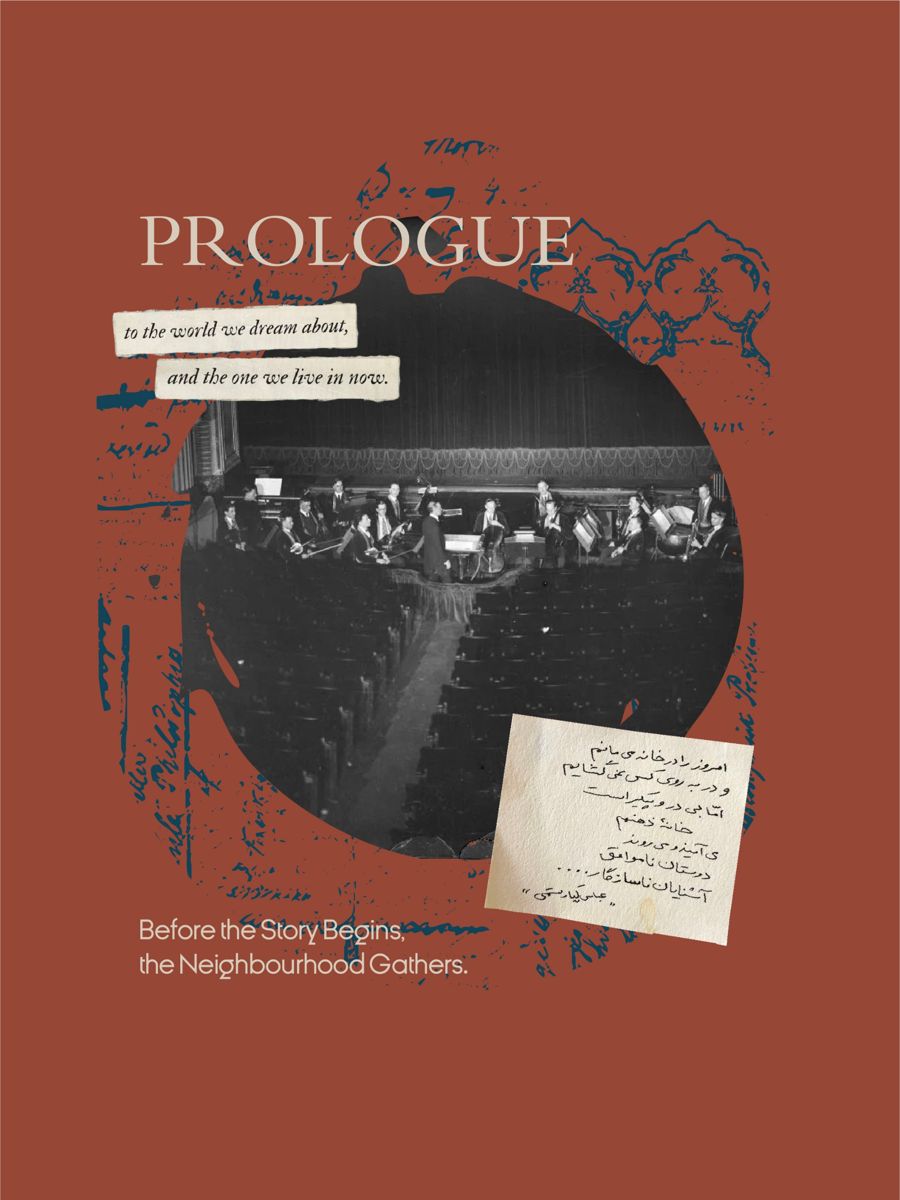
Before the story begins
the neighbourhood gathers.
Perhaps every gathering is a kind of prologue. A place waits, people arrive, and through their presence, a story begins.
Every presence leaves a trace. Every trace has a story to tell.
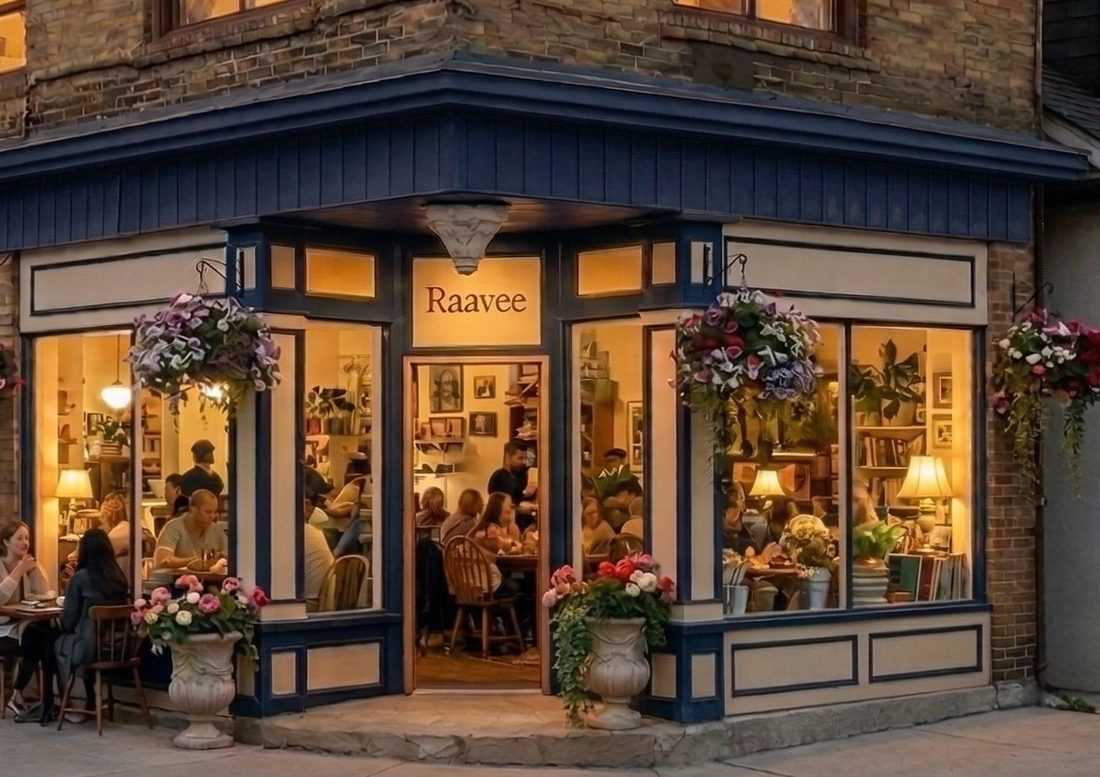
Raavee House is a cultural house with a café and restaurant at its core, opening on Mount Pleasant Road.
A narrator is the one who tells a story. Sometimes a character within it, sometimes a voice outside it, but always the point from which the story reaches us.
Raavee is a house open to the public, built around food, drink, hospitality and everyday cultural life. Its roots are Iranian and its door is open to everyone. It is a place to gather, to stay, and to return to. Everyone who walks through the door becomes part of the story of the house.
What is told, and what is passed on.
The plain experience of being here, now.
A life worth telling, because it was lived.
Every story has a hero. One who rose and fell, got lost and found the way again, suffered and searched for meaning.
But this hero’s courage is not in conquering the world. It is in returning to the present: in the ability to live in the moment, and to be fully in it. In a world of speed, noise and distraction, the hero tries, again, to come back to now. To what is. To what is seen. To what is lived.
Years later, the narrators will say of them: here was a hero who did not conquer the world, but did not lose the moment. Who came back to now, chose presence, and lived life as it was.
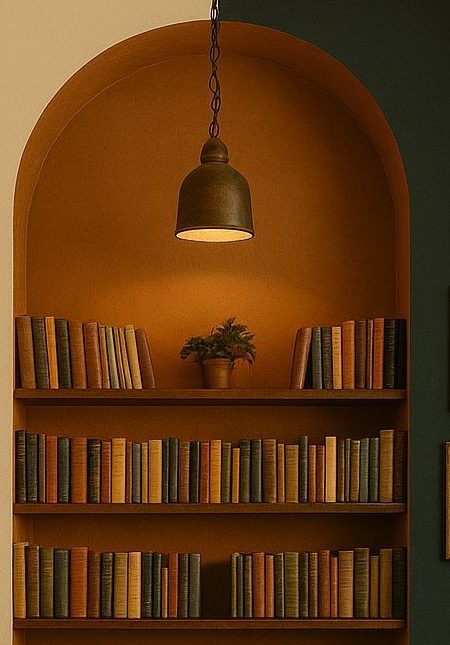
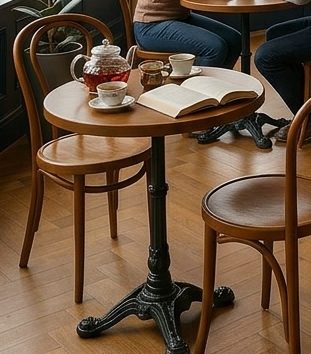
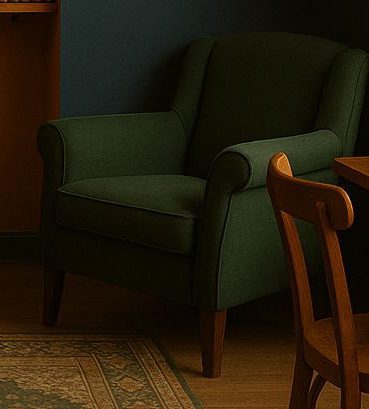
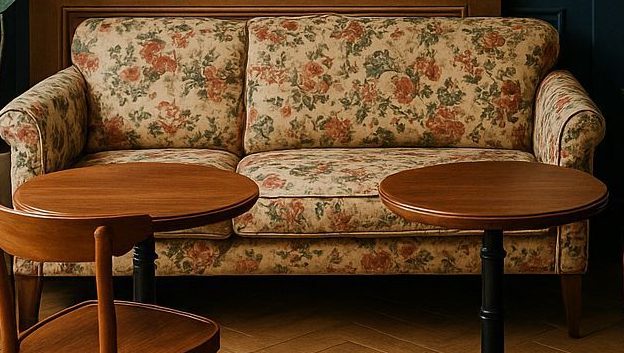
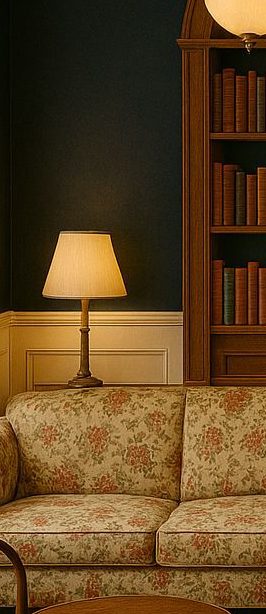
These are not photographs of the house. They are sketches of a feeling: the arch of books, the chair you sink into, the light of a lamp in the evening. Some details will change as the rooms take shape. The feeling will not.
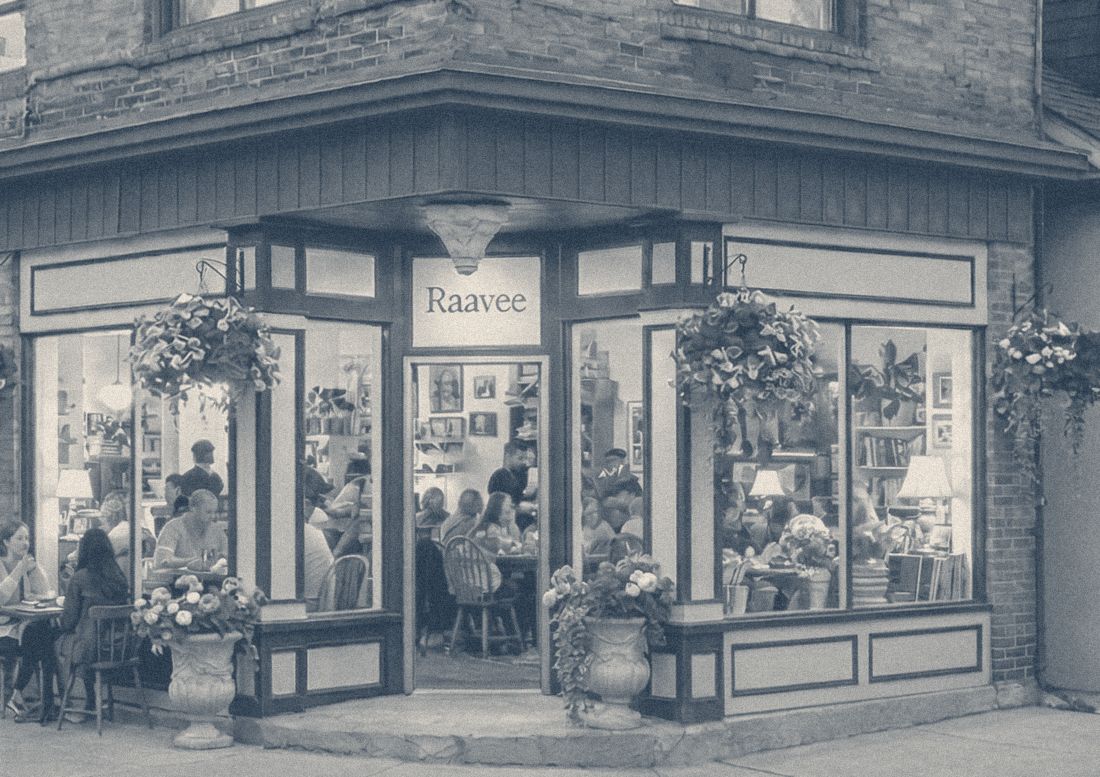
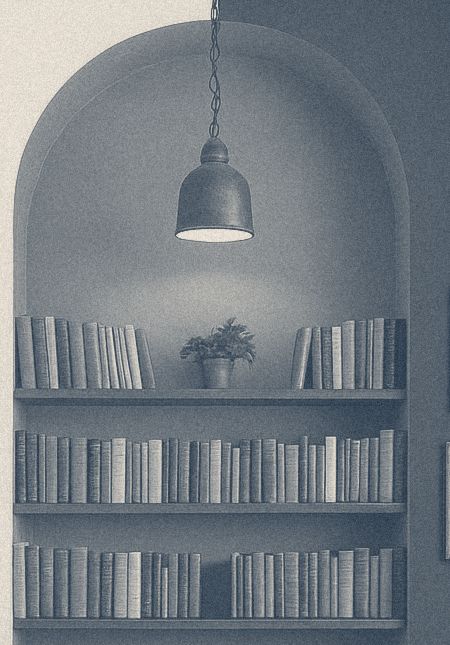
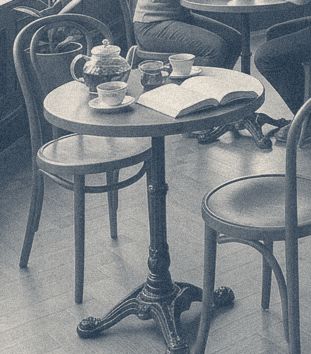
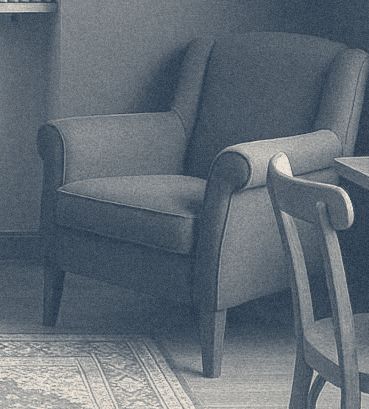
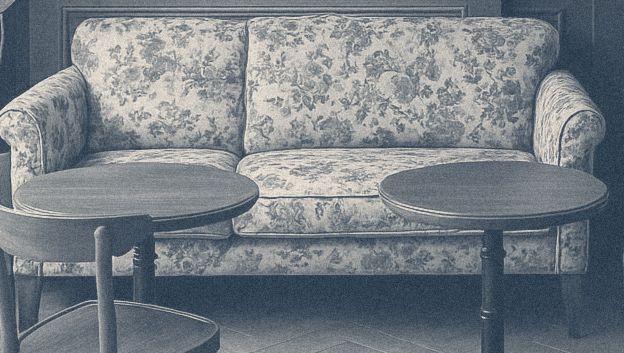
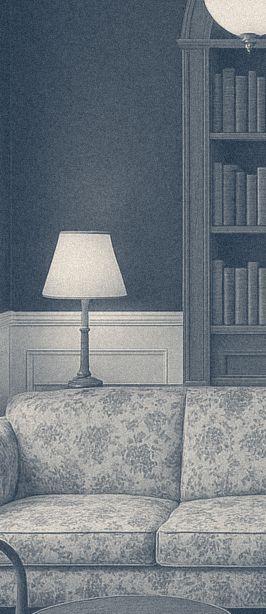
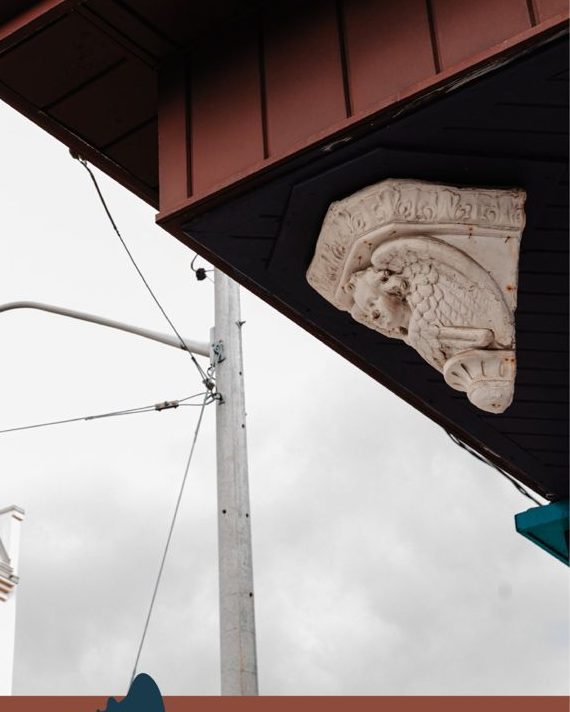
The past does not arrive as a finished story. It returns in fragments: a map, a building, a photograph, a memory. While the house is being built, we are reading Mount Pleasant one chapter at a time.
Perhaps every gathering is a kind of prologue. A place waits, people arrive, and through their presence, a story begins.
From its earliest years, Mount Pleasant Cemetery was more than a place of burial. People came to walk through its gardens and spend time among its trees. That relationship has never really disappeared. Today, people still come, each in their own way.
A place becomes part of a neighbourhood not only through what it was built for, but through the many reasons people find to return.
“Chronotope” is the way time and space become inseparable in a narrative. For Bakhtin, the road is one of its clearest expressions. As people move through space, time passes, paths cross, and encounters become possible.
When the streetcar reached Mount Pleasant, it did more than connect the street to the rest of Toronto. It brought people north, shaped the rhythm of everyday life, and allowed new routines, businesses and relationships to form around it. A route connects one place to another. It is the people who travel it, return to it and build their lives around it who turn it into a neighbourhood.
“Refiguration” describes the moment a story meets the world of its audience and takes on another life. For Ricoeur, a narrative is completed through those who receive it.
At the Regent, the neighbourhood did more than watch. People gathered, and their presence became part of the story. A screen may grow quiet, but the need to gather remains. Sometimes a story continues by finding another room.
About 3,000 square feet across three levels, open all day from breakfast to evening. A house built for staying, for gathering, and for coming back to.
The quieter heart of the house. A room to sit with a book, share a table with friends, and stay a little longer. It is also where the house gathers, for readings, conversations and small cultural evenings.
Coffee, tea, a hot and cold bar, and a small store of books, ceramics and objects.
The working heart of the house. Bread and pastries baked each morning, stocks and sauces made from scratch, and every dish prepared by hand, with the same care from the first step to the last.
Our bread will be baked here each morning, by the same hands that will set it on your table. Very little will arrive from somewhere else. Most of what we serve will begin in our own kitchen, shaped slowly and with care.
Handmade work cannot be hurried. It asks for time, for attention, and for someone fully present in what they are doing. Perhaps that is why it feels different. Every loaf carries the hours that went into it, the way a cup leaves its ring on the table.
Our menu is still being written. We will share it here when it is ready.
For years, 662 Mount Pleasant Road was a neighbourhood bookstore, and its walls slowly filled with drawings and notes left by the people who came through. The renovation asked for new walls, but we kept a few of those traces before they were gone.
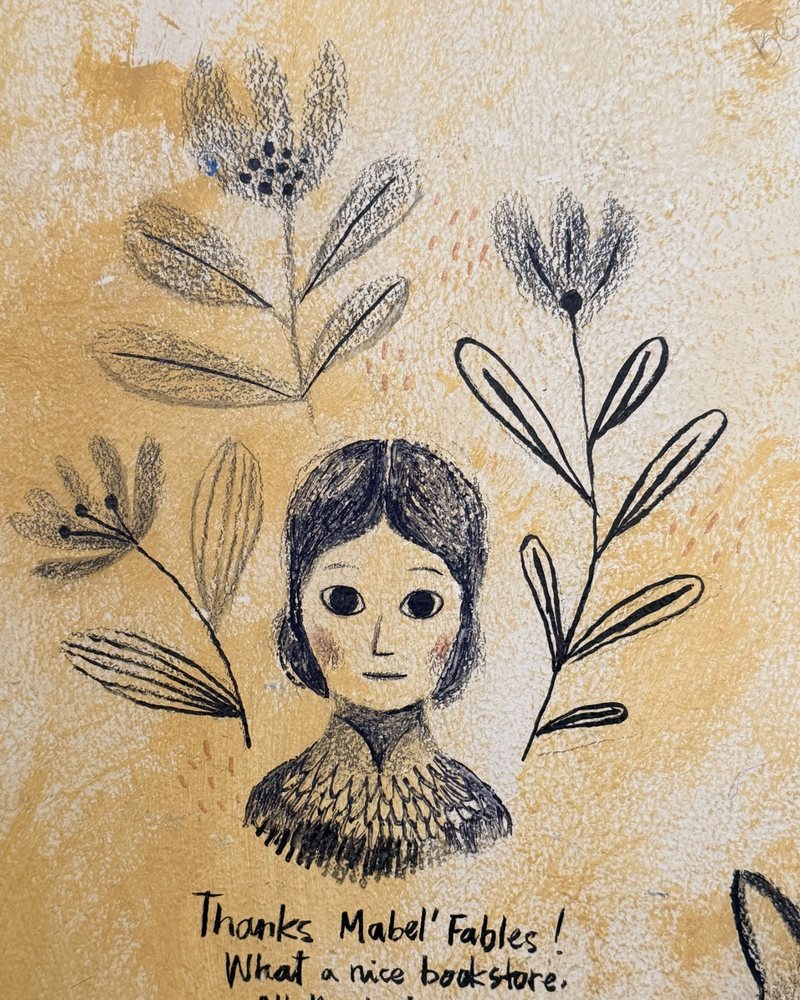
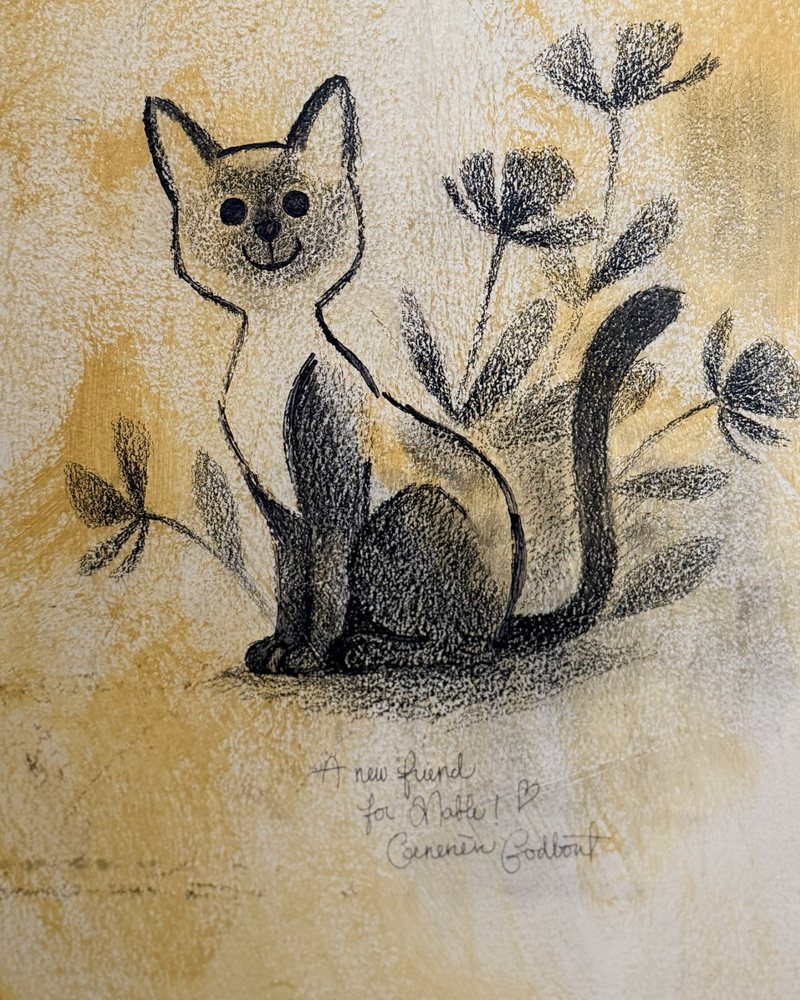
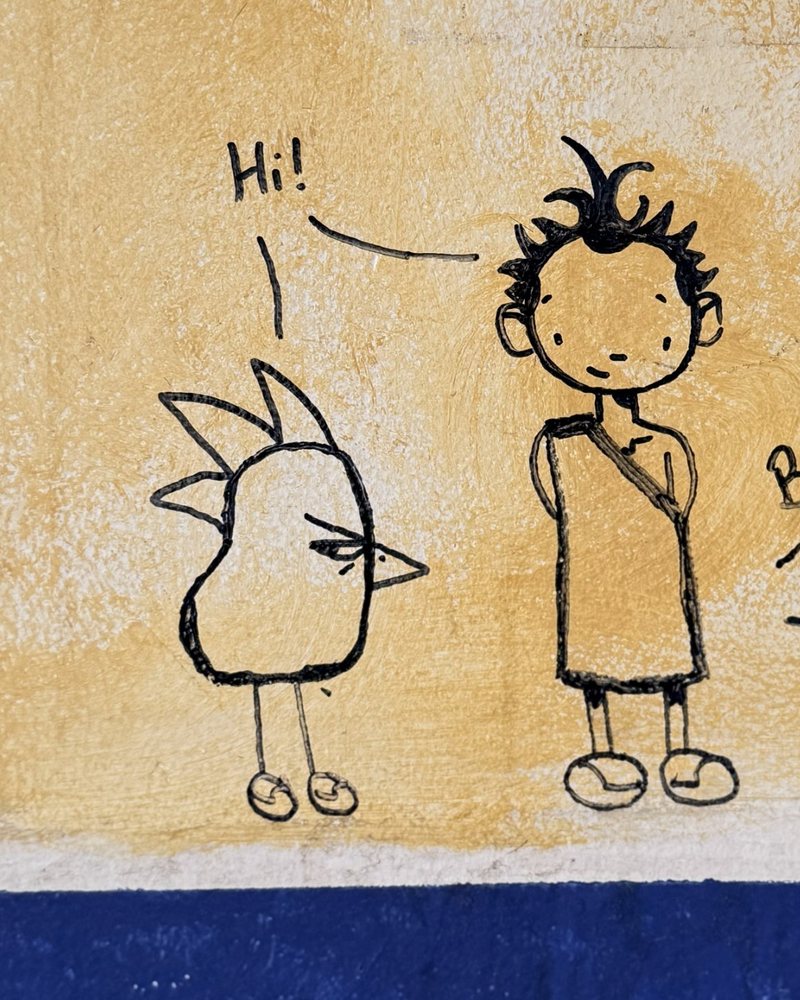
Kept from the old walls
A house is being built at 662 Mt Pleasant Road. Here is where it stands.
662 Mt Pleasant Road is under renovation. Here is where the build stands.